
Working from home has become a regular part of life for many people, making it essential to have a dedicated space that encourages productivity and comfort. Whether you’re dealing with Zoom meetings, deadlines, or creative tasks, having a well-designed home office can help you stay focused and feel motivated throughout the day. In this post, we’ll explore practical tips to create a productive home office space, tailored to your unique needs.
Choose the Right Location
Selecting where to set up your home office is the first and most crucial step.
– Quiet and Private: Try to pick a spot away from high-traffic areas in your home to reduce distractions.
– Natural Light: Position your desk near a window if possible, as natural daylight can enhance mood and reduce eye strain.
– Space Considerations: Make sure you have enough room for your desk, chair, and any equipment or storage you’ll need.
If space is limited, even a corner in your living room or bedroom can work when organised thoughtfully.
Invest in Ergonomic Furniture
Comfort is key to maintaining focus and preventing aches.
– Desk Height: Your desk should be at a height where your arms can rest comfortably without lifting your shoulders.
– Chair Support: Spend on an ergonomic office chair that supports your lower back and encourages good posture.
– Adjustability: Consider adjustable furniture or accessories like footrests and monitor stands to personalise your setup.
Ergonomics not only improves comfort but helps prevent long-term health issues caused by poor posture.
Keep Your Workspace Organised
A tidy workspace can reduce stress and increase efficiency.
– Declutter Regularly: Remove unnecessary items from your desk to keep the surface clear.
– Storage Solutions: Use shelves, drawers, or organisers to store documents and supplies neatly.
– Cable Management: Use clips or cable boxes to keep cords and chargers from tangling or cluttering your desk.
Organising your workspace also means setting up a system for your digital files and emails to avoid overwhelm.
Optimise Lighting
Proper lighting reduces eye strain and creates a welcoming atmosphere.
– Layered Lighting: Combine natural light with task lighting (like a desk lamp) and ambient lighting to suit different times of the day.
– Avoid Glare: Position screens so that they don’t reflect direct sunlight or bright lights.
– Colour Temperature: Cooler lights (around 5000K) are energising and good for focus, while warmer lights are relaxing.
Adjust lighting according to your tasks and the time you spend in your office.
Personalise Your Space
Adding personal touches can make your workspace more enjoyable.
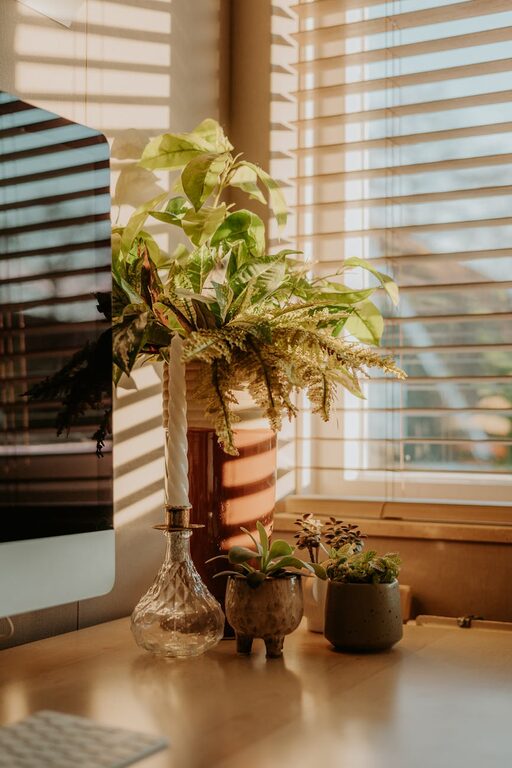
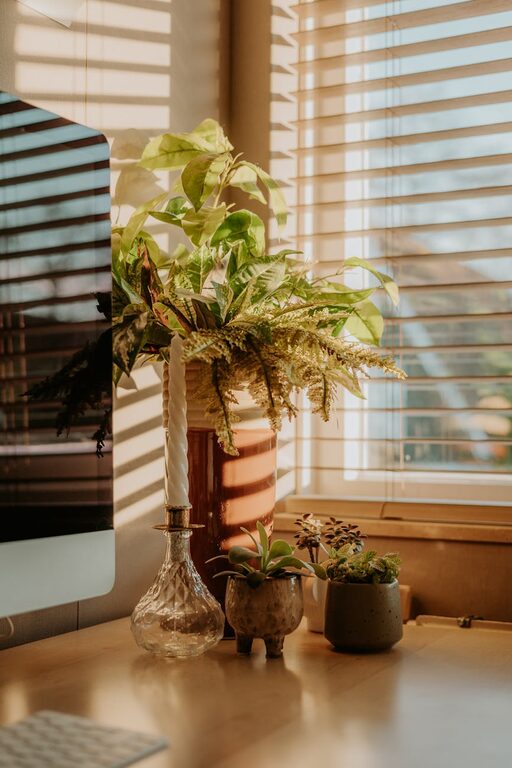
– Plants: Indoor greenery can improve air quality and boost mood.
– Artwork or Photos: Use inspiring images or artworks to add colour and personality without cluttering.
– Personal Items: A nice mug, a favourite notebook, or meaningful trinkets can create a motivating environment.
Balance personalisation with professionalism if your space is visible to colleagues during video calls.
Minimise Distractions
Maintaining concentration is easier with fewer interruptions.
– Noise Control: Use noise-cancelling headphones, soft furnishings, or white noise machines if background noise is a problem.
– Limit Devices: Consider silencing your phone or restricting social media use during work hours.
– Clear Boundaries: Communicate your working hours to family or housemates to reduce disturbances.
Creating these boundaries helps replicate the focused environment of an office.
Use Technology to Your Advantage
The right technology supports seamless working.
– Reliable Internet: Ensure you have a fast and stable connection to avoid frustration during video calls or downloads.
– Essential Tools: Use a good quality webcam, microphone, and keyboard to improve your workflow.
– Software: Explore productivity apps like calendars, task managers, and communication platforms to stay organised.
Keep your software and devices updated for security and efficiency.
Establish a Routine and Take Breaks
A productive space is part of a larger productive day.
– Set Working Hours: Try to start and finish at consistent times to create a work-life balance.
– Breaks: Take short breaks to stretch, hydrate, or move around—this supports concentration and health.
– Change of Scenery: If you can, vary your work location during the day or step outside for fresh air.
Building a routine helps your mind separate work and personal time, important for wellbeing.
—
Creating a productive home office depends on finding the right mix of comfort, organisation and environment that suits you. By choosing a good location, investing in ergonomics, controlling distractions, and making the space your own, you’ll build a workspace that motivates and supports you every day. Happy working!
Related Posts
Tips for Creating a Cosy and Inviting Home Workspace
Creating a cosy and inviting home workspace can make a…
Tips for Creating a Productive Home Office Environment
Creating a productive home office environment is essential for anyone…

Tips for Creating a Productive Home Office Environment
Creating a productive home office environment is essential for anyone…